Guide
IRRAX irradiated wires — why cross-linking helps
Plain-language explanation of irradiated IRRAX wire families from SEPM — heat resistance, halogen-free options, HV constructions, and when to prefer cross-linking.
24 April 2026
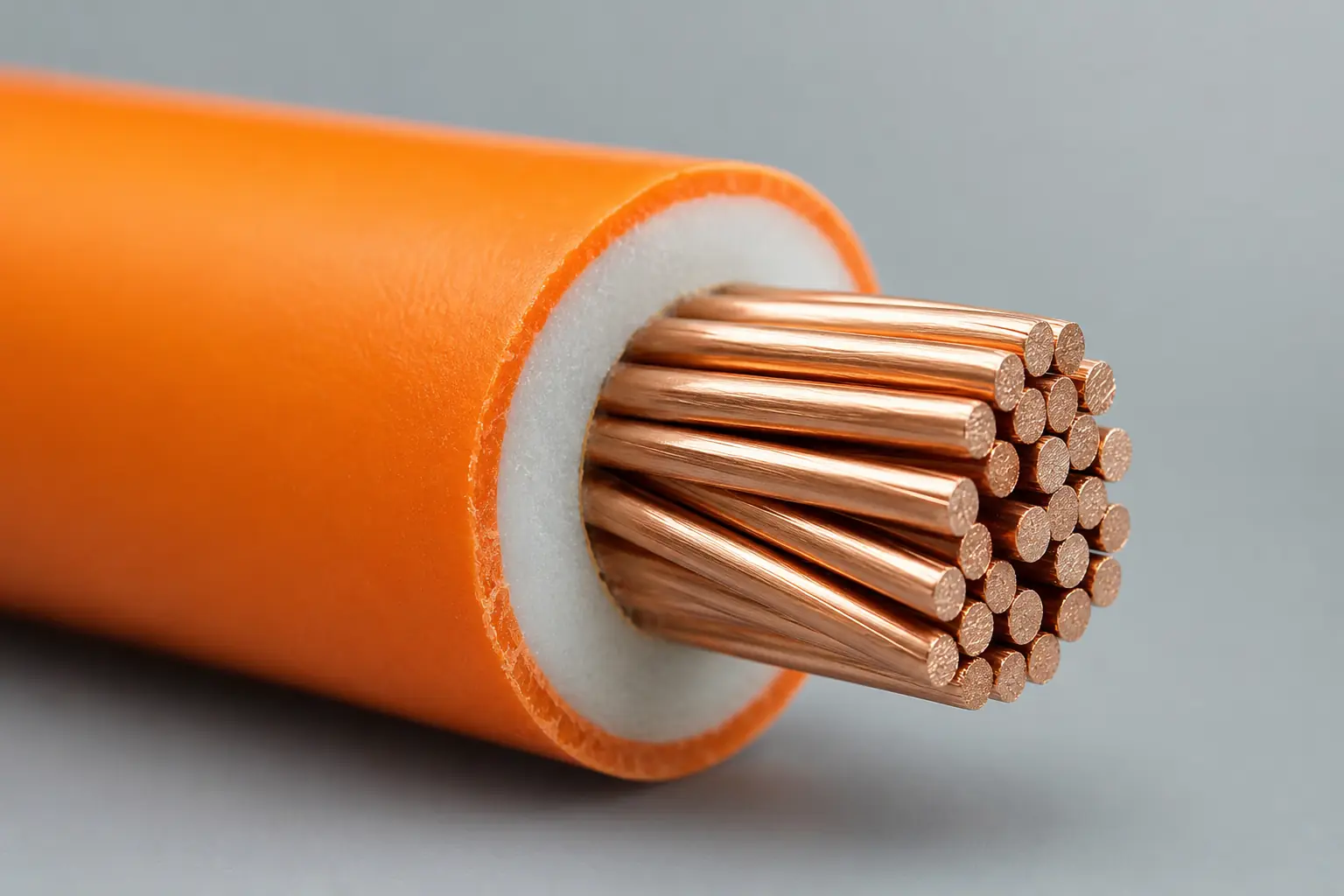
Irradiation of wire insulation creates chemical cross-links that change how the material behaves under heat and mechanical stress. Sumitomo brands this family as IRRAX™, and SEPM’s milestones place IRRAX production among the early Tebrau expansions (M2, mid-1990s).
What cross-linking buys you
Thermoplastic insulations soften and flow when overheated; cross-linked systems better resist that flow, often allowing thinner walls or higher continuous temperatures for a given performance target. Abrasion resistance and cut-through behaviour can also improve, which matters in dense harnesses that rub against sheet metal or each other.
Designers typically consider IRRAX when:
- Local temperatures near power electronics exceed comfort levels for standard PVC
- Soldering or rework heat threatens insulation near terminations
- Flex plus abrasion appear together in moving harness branches
- Halogen-free or higher-voltage constructions are mandated by the OEM policy
Families you will see in SEPM tables
Archived catalogues list IRRAX V2, IRRAX HF, IRRAX B / B28 (non-PBDE), IRRAX R9, spiral shielded variants, and high-voltage wires in multi-kV classes. Those labels are starting points; UL style numbers and AWG sizes still do the real compliance work.
HF and halogen-free HV rows matter for green procurement. Non-PBDE flame-retardant messaging on IRRAX B reflects historical chemistry choices — always request current declarations for RoHS-style programmes.
Practical selection flow
- Fix temperature and voltage ratings from the end-equipment standard.
- Decide thermoplastic vs irradiated chemistry.
- Add shield needs (spiral shield rows exist in the archive).
- Match UL/CSA style and conductor size.
- Confirm colour, printing, and packaging with SEPM before pilot builds.